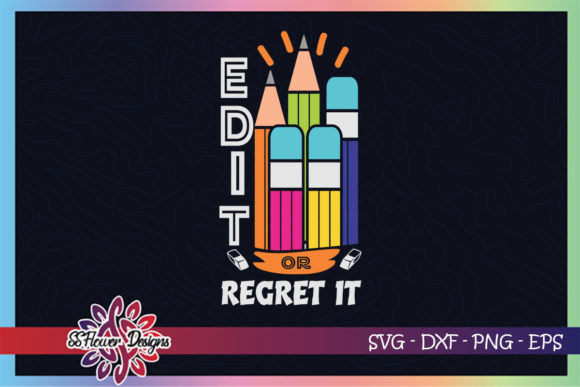
Edit or Regret Back to School
As a designer who’s worked with countless embroidery files, I always start by asking: does this design feel like it was made for real use? Edit or Regret Back to School is one of those designs that immediately catches the eye. It’s clean, bold, and has a playful yet professional vibe that makes it versatile for a range of projects. But before jumping into using it on client work or selling it as a digital product, I wanted to take a closer look at how it performs in actual embroidery scenarios.
The First Impression
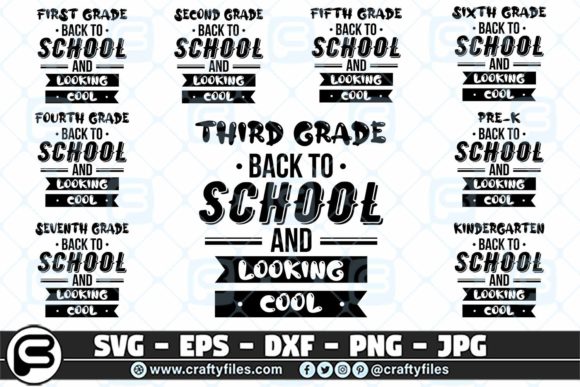
From the moment I opened the Edit or Regret Back to School file, I noticed the layout. It’s well-structured, with a clear focal point that makes it easy to place on different items. The typography is modern, and the use of negative space gives it a minimalist feel. This design isn’t overly complicated, which is a plus for embroidery—less detail often means fewer issues with stitch density and fabric compatibility.
The theme is perfect for back-to-school season, but it also has a timeless quality that could work for other occasions. It’s not too flashy, which is great for handmade products that need to appeal to a broad audience. Whether it’s on a tote bag, sweatshirt, or baby onesie, the design feels right at home.
Real-Life Embroidery Use Cases
I tested Edit or Regret Back to School on several fabrics to see how it would hold up. On cotton t-shirts and tote bags, it looked sharp and clean. The satin stitches were smooth, and the fill areas didn’t pucker or distort the fabric. For a custom apparel project, this design would be a solid choice.
On baby clothes, the design felt appropriate. The font is legible, and the overall style is gentle enough for a nursery or personalized gift. When I tried it on a lightweight linen apron, the stitches held well, though I had to adjust the stabilizer to prevent puckering. It’s a reminder that even a simple design can require some extra care depending on the material.
For a craft business, Edit or Regret Back to School could be a valuable addition to an Etsy shop or small shop product line. Its clean lines make it ideal for printable mockups, and the high-resolution PNG and SVG files mean it can be used in various digital assets without losing quality.
Where to Be Careful
While the design is generally user-friendly, there are a few areas where caution is needed. If you’re working with small hoop sizes, you might find that the design needs to be split or adjusted. Small details, like the edges of the letters, could get lost if the hoop is too tight or the stitch density is too low.
On textured fabrics or stretchy materials, the design may not sit as smoothly. I noticed that on a knitted sweatshirt, the stitches slightly pulled the fabric, creating a minor distortion. Using the right stabilizer can help, but it’s something to keep in mind when planning your project.
Dark fabrics also require attention. The design works well on light backgrounds, but on darker materials, the thread color contrast becomes critical. If you’re using a light-colored thread on a black shirt, the design might not stand out as much as intended. Always test on a sample first.
Impact on Visual Appeal and Value
Edit or Regret Back to School adds a professional touch to any embroidered item. It’s the kind of design that customers will notice and appreciate, especially when it’s part of a handmade product or personalized gift. The clarity of the stitching and the balance of the layout contribute to a polished finished product that looks like it was made with care.
For a small business owner or Etsy seller, this design can boost customer trust. A well-executed embroidery project with a strong visual identity helps build brand consistency and makes your products more recognizable. It’s also a good fit for holiday gifts or seasonal items, where the design’s theme aligns with the occasion.
When it comes to buyer engagement, the design’s simplicity and versatility make it appealing across different demographics. Whether it’s a student looking for a stylish tote bag or a parent wanting a unique baby onesie, Edit or Regret Back to School offers something that feels both functional and fashionable.
Practical Designer Notes
Before using Edit or Regret Back to School in a commercial project, I recommend testing it on scrap fabric. This helps you see how the stitches interact with different materials and identify any potential issues early on. Also, check the thread color contrast—especially on dark fabrics—to ensure the design stands out as intended.
Reviewing the stitch density is another key step. If the design is too dense, it can cause the fabric to pucker or the threads to break. Adjusting the density or using a different stitch type, like a running stitch, might help in some cases. Confirming the correct hoop size is also important, especially if you’re working on a curved surface like a cap or a pillow cover.
Lastly, make sure you understand the licensing terms before selling any finished items or digital products. Even though the design seems straightforward, it’s always better to double-check the usage rights to avoid any legal issues down the line.
Final Thoughts
Edit or Regret Back to School is a solid choice for anyone looking to add a fresh, modern design to their embroidery projects. It’s well-suited for custom apparel, baby items, and small business merchandise, and its clean aesthetic makes it adaptable to a variety of uses. With a little care and testing, it can become a valuable asset in your creative toolkit.
Whether you’re a hobbyist, a craft business owner, or a digital product seller, this design offers practical value and visual appeal. Just remember to approach it with the same attention to detail you’d give any other embroidery project—and you’ll be rewarded with a finished product that looks great and stands the test of time.